Visiting the Blue Lagoon in Iceland: Tips, Tickets & Best Time to Go
When to book, which ticket tier to choose, and how to time your Blue Lagoon visit around Iceland's Northern Lights season.

 Search flights
 Book your Blue Lagoon slot before you book almost anything else in Iceland. The lagoon runs on timed entry only, and popular slots sell out weeks ahead in summer sometimes days ahead even in the depths of winter. Everything else about planning a visit is manageable once that piece is locked in.
When to go
 Shoulder seasons April to May and September to October offer the best overall balance: manageable crowds, prices below peak summer, and dramatic landscapes either way. September and October specifically add a bonus, since Northern Lights season opens in late September, and the lagoon sits on the Reykjanes Peninsula away from Reykjavík's light pollution, making it a legitimate aurora-viewing spot in its own right. Summer (mid-June through late August) brings the longest opening hours of the year, sometimes 7am to 11pm, thanks to Iceland's midnight sun, but also the highest visitor numbers and the highest prices. Winter (November through February) is the quietest stretch, with a genuinely otherworldly atmosphere steam rising off the water against snow-covered lava fields and reasonable odds of an aurora sighting on a clear night.
Booking logistics
For June through August travel, book four to six weeks ahead at minimum; popular morning slots in July can sell out three to four weeks in advance. In shoulder and winter months, one to two weeks ahead is usually sufficient, though earlier never hurts. Tickets are non-refundable but generally reschedulable, so early booking carries relatively low risk. If you're worried about last-minute closures the Reykjanes Peninsula has seen periodic volcanic activity in recent years, though it hasn't disrupted the lagoon's operations or Iceland's broader tourism book through a platform offering free cancellation for extra flexibility.
Shoulder seasons April to May and September to October offer the best overall balance: manageable crowds, prices below peak summer, and dramatic landscapes either way. September and October specifically add a bonus, since Northern Lights season opens in late September, and the lagoon sits on the Reykjanes Peninsula away from Reykjavík's light pollution, making it a legitimate aurora-viewing spot in its own right. Summer (mid-June through late August) brings the longest opening hours of the year, sometimes 7am to 11pm, thanks to Iceland's midnight sun, but also the highest visitor numbers and the highest prices. Winter (November through February) is the quietest stretch, with a genuinely otherworldly atmosphere steam rising off the water against snow-covered lava fields and reasonable odds of an aurora sighting on a clear night.
Booking logistics
For June through August travel, book four to six weeks ahead at minimum; popular morning slots in July can sell out three to four weeks in advance. In shoulder and winter months, one to two weeks ahead is usually sufficient, though earlier never hurts. Tickets are non-refundable but generally reschedulable, so early booking carries relatively low risk. If you're worried about last-minute closures the Reykjanes Peninsula has seen periodic volcanic activity in recent years, though it hasn't disrupted the lagoon's operations or Iceland's broader tourism book through a platform offering free cancellation for extra flexibility.

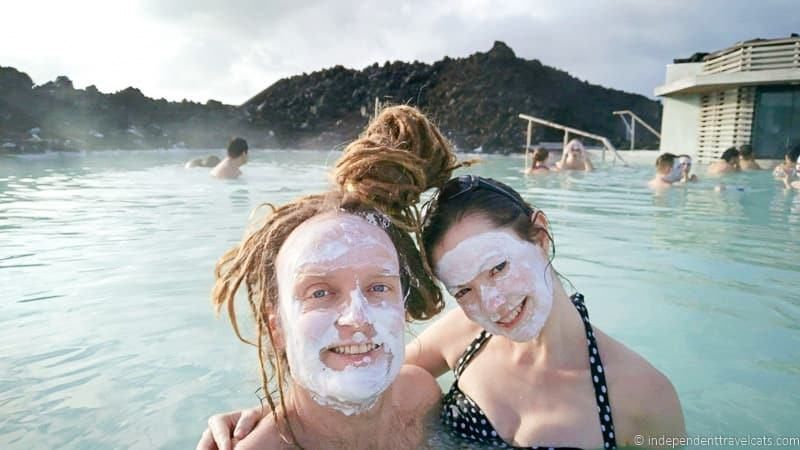
What the ticket tiers actually include Comfort is the entry-level ticket and covers admission, a silica mud mask, a towel, and one drink from the in-water bar genuinely sufficient for most visitors. Premium adds a second drink, a bathrobe, and access to additional masks at the mask bar, worth it if you're planning to spend most of the day there. Retreat is an entirely different, more expensive experience: quieter, more spacious, with access to a separate secluded lagoon and eight subterranean spa spaces. Getting there The lagoon sits on the Reykjanes Peninsula, about 50 kilometers southwest of Reykjavík and roughly 20 minutes from Keflavík Airport making it a natural first or last stop on an Iceland trip. Driving takes about 50 minutes from Reykjavík via Route 41, with free parking on-site. Shuttle services run directly from Reykjavík's BSÍ bus terminal, taking 45 to 55 minutes, a solid option if you're not renting a car.
What to actually expect once you're there
 Water temperature stays a constant 37–40°C year-round, so the soak itself is comfortable regardless of season it's the walk to and from the water where the air temperature matters, so bring a robe or quick-dry layers for shoulder and winter visits. On arrival, you walk through a roughly 300-meter lava corridor before reaching the main building, then receive an electronic wristband that unlocks your locker and functions as cashless payment throughout your visit. Amenities inside the main lagoon include a sauna, steam room, steam cave, mask bar, and an in-water beverage bar.
Practical tips that make the visit smoother
Early morning or late evening slots are consistently the quietest, with midday (11am–3pm) taking the brunt of tour-group traffic. Weekdays run noticeably calmer than weekends year-round. If you want the Northern Lights specifically, several tour operators run combined afternoon-lagoon-plus-evening-aurora-hunt packages from late September onward, some with a free second-chance tour built in if the lights don't appear on your first attempt.
FAQs
How far in advance should I book Blue Lagoon tickets?
Water temperature stays a constant 37–40°C year-round, so the soak itself is comfortable regardless of season it's the walk to and from the water where the air temperature matters, so bring a robe or quick-dry layers for shoulder and winter visits. On arrival, you walk through a roughly 300-meter lava corridor before reaching the main building, then receive an electronic wristband that unlocks your locker and functions as cashless payment throughout your visit. Amenities inside the main lagoon include a sauna, steam room, steam cave, mask bar, and an in-water beverage bar.
Practical tips that make the visit smoother
Early morning or late evening slots are consistently the quietest, with midday (11am–3pm) taking the brunt of tour-group traffic. Weekdays run noticeably calmer than weekends year-round. If you want the Northern Lights specifically, several tour operators run combined afternoon-lagoon-plus-evening-aurora-hunt packages from late September onward, some with a free second-chance tour built in if the lights don't appear on your first attempt.
FAQs
How far in advance should I book Blue Lagoon tickets?
Four to six weeks ahead for June through August; one to two weeks is usually enough in shoulder and winter months. What's the best time of year to visit the Blue Lagoon?
Shoulder seasons (April–May, September–October) offer the best balance of crowds, price, and scenery; September–October adds the bonus of Northern Lights season. Can I see the Northern Lights from the Blue Lagoon?
Yes its location away from Reykjavík's light pollution makes it a genuine aurora-viewing spot from late September through early April, weather and solar activity permitting.

Covers the destinations, gear and deals worth your inbox for The Nerdy Nomads. Reader-supported via affiliate links.
One email. Five finds. Every Sunday, wherever you've landed.

Guides, deals and visa alerts — free, weekly, unsubscribable in one tap.